Leadership Conferences
This is where the real leadership development happens.
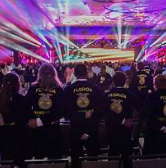
Showing an animal is one path through this program. For most students, it won't be the main one — and it doesn't need to be. These conferences are where FFA actually builds the skill this organization is named for, and every one of them connects directly to a résumé, an application, or a career conversation.
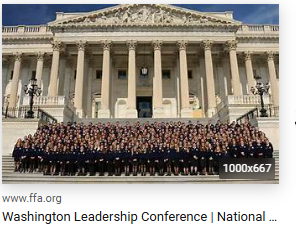
Washington Leadership Conference
A week in Washington, D.C. built around public policy, civic engagement, and personal leadership growth — including time at the National FFA memorial grove and meetings tied to how agricultural policy actually gets made. Directly relevant to any student considering public policy, government, law, or advocacy work.
COLT — Chapter Officer Leadership Training
Built specifically for chapter officers: how to run a meeting, manage a team, and follow through on a program of work. This is management training before most students have a job to manage anyone in.
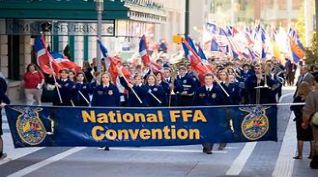
National FFA Convention & Expo
The largest student convention in the country. Career expo, workshops, and a direct look at how large an industry agriculture actually is — well beyond the farm.
Florida FFA State Convention & Expo
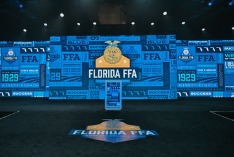
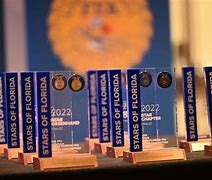
Our state's own version of National Convention — state officer elections, Star awards, and the single biggest gathering of Florida FFA members every year.
Capitol Days / Ag on the Hill
Direct advocacy — meeting with legislators about agricultural policy in Tallahassee. There is no faster way to find out what a career in policy or government relations actually looks like than doing it as a sophomore.
National FFA Week
A week of chapter-run activities and visibility on campus. Reporter and Historian territory, and a real exercise in event planning and public communication.
Connect the dots on purpose. Public speaking, running a meeting, advocating to a legislator, planning a week of events — these are leadership, communication, and management skills first, and agriculture second. A student who has no interest in production agriculture at all still has a real reason to be in this room.
Levels of Leadership
Chapter officer is the first step, not the only one.
Florida FFA leadership is built in nested levels, and a chapter officer who wants to keep going has a real, well-worn path upward — each level with its own elected officer team.
Chapter
Winter Park FFA — our own officer team of 14, elected each spring by our members.
Sub-District
A Sub-District Chairperson and a separately elected Alternate Chairperson are chosen each year at the Sub-District Contest — both must be a junior or below with one year of eligibility remaining. There's no formal application; a member just lets the contest host know they're interested.
District
Florida FFA has 12 districts statewide — we're part of Area 4, District 7. Each district elects both a President and a Secretary every year at State Convention, and both must hold the Chapter FFA Degree. Something to grow into as our chapter gets established.
State
Florida FFA State Officers — President, Secretary, and an Area Vice President from each of the state's areas — hold the State FFA Degree and serve a full year traveling to chapters across Florida.
National
National FFA Officers hold the American FFA Degree and are selected by their state association to be a candidate, then go through intensive interviews at National Convention. It's the highest elected office in the organization.
Also worth knowing: Orange County Federation
Separate from the official state ladder above, every FFA chapter in Orange County is also grouped under its own Federation officer team — President, Vice President, Secretary, Treasurer, Reporter, and Sentinel. It's a local opportunity to lead alongside students from other Orange County chapters. orangecountyffa.org
The path is real, not theoretical. Students who take a chapter officer role seriously — and want more — have a genuine next step waiting, whether that's Sub-District, District, or eventually State. It's the same skill set at every level, just a bigger room.